How the work happens
Project.40
A 40-year strategy to transform a generation, starting with how young people see what is possible.
Many young people grow up inside a narrow corridor of aspiration: the jobs they see are the only jobs they imagine. The problem is not a lack of talent. It is an unspoken ceiling. Project.40 pulls one lever, mindset, and pulls it hard enough to move everything else. When young people believe in their own capacity, they seek out opportunity, start enterprises and demand better for their communities.
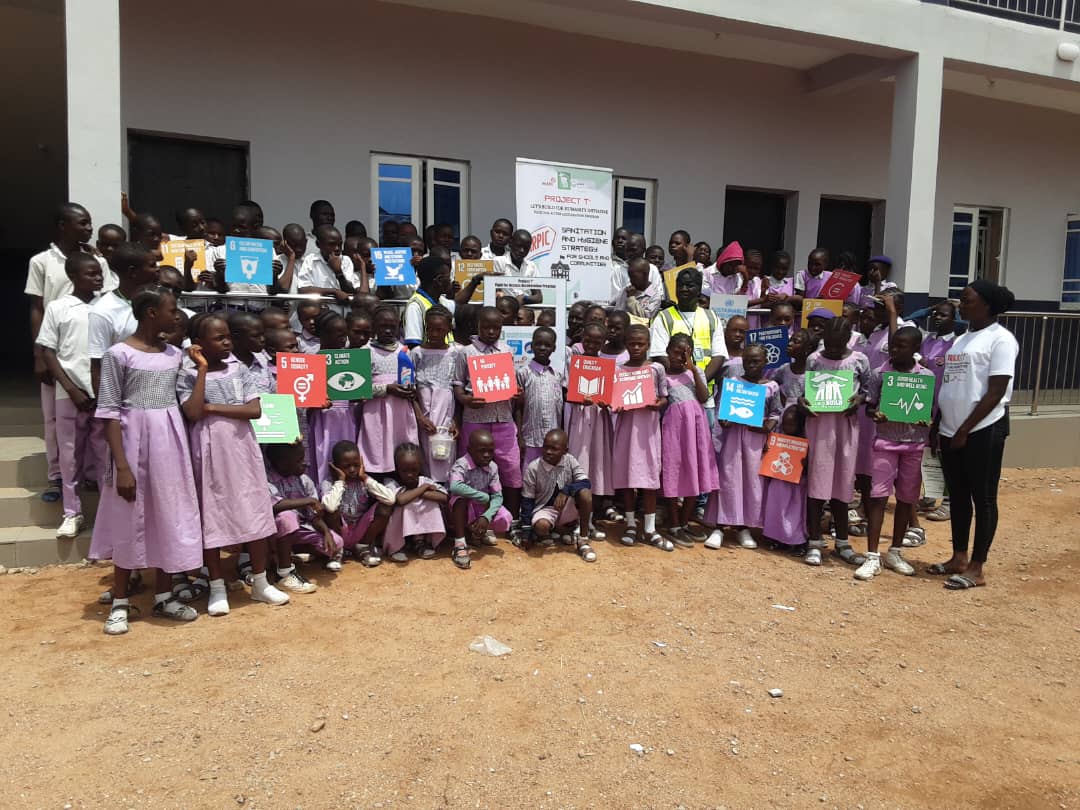
Project.40 is not a programme that ends when funding runs out. It works in deliberate 40-year cycles, long enough to watch a generation grow from the classroom into leadership. Cycle One, "Possibilities" (2026 – 2066), begins in Gombe State, a gateway to the North East, and will expand to other states from there.
Every spark has a path to follow. No young person is inspired and then left behind, and members of The Guild return as the mentors and living proof the next generation meets.
Young people are not lacking talent or ambition. They have simply never been shown that the ceiling above them is made of glass, not stone. Project.40 hands them the hammer.
We are starting with a pilot. Some equipment is already on the ground, and we need more to reach every skill track.
Invest in a generation →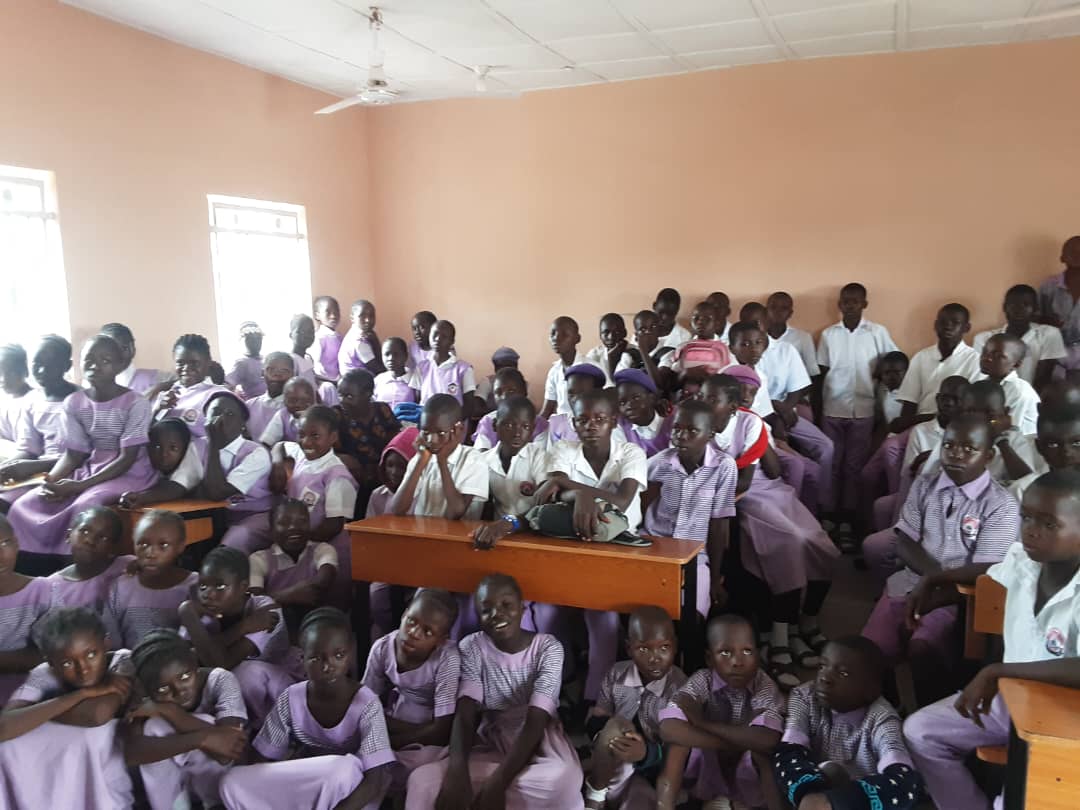
LBH Ambassador Fellowship
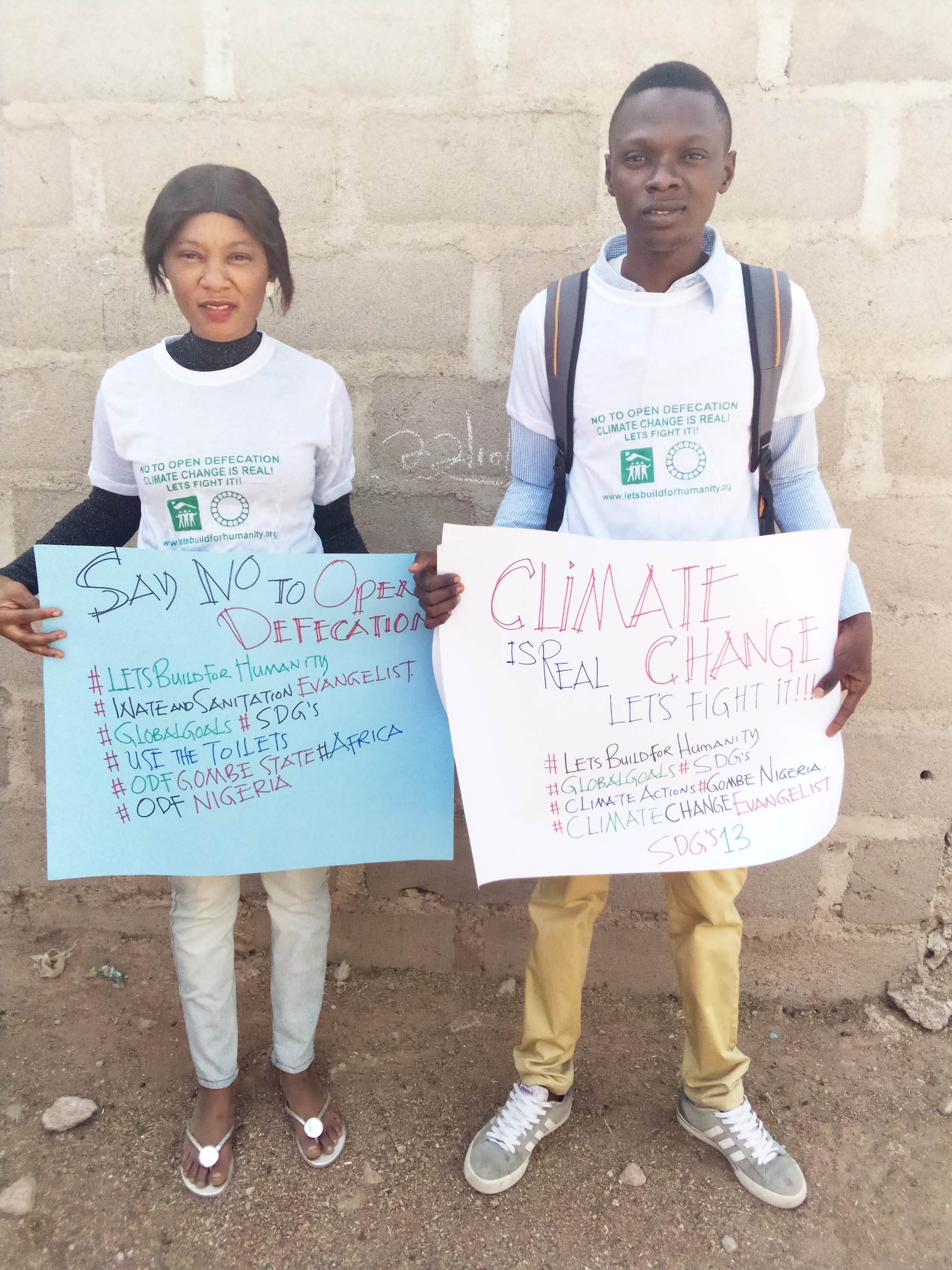
Our annual fellowship equips young people across Africa, starting in Nigeria, to act on SDGs 6, 8, 10, 11 and 13. Fellows learn, get mentored and deliver a real project in their own community.
Cohort 1 opened on 23 August 2025. We are an equal-opportunity recruiter and welcome applicants regardless of race, colour, gender or religion.
- ✓Expert-led workshops and webinars on key SDGs and local challenges
- ✓Mentorship from experienced mentors
- ✓Skills in leadership, project management, community engagement and digital literacy
- ✓A real-world project in your own community
- ✓A network of young leaders across Nigeria and Africa
Research and policy
We study social development paths, policy execution, social inclusion and gender awareness, then use the data to pinpoint what needs attention and work with stakeholders on targeted reforms.
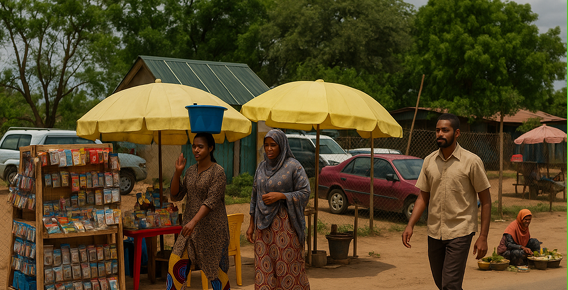
Our briefs cover community development, environmental sustainability, the SDGs, women’s inclusion and gender equity. Our latest shows how displacing street vendors undermines livelihoods and inclusive urban development in Nigeria, and argues for planning that recognises vendors as legitimate urban actors.
Read our policy briefs →